Werner Enterprises' Q3 2024 Results: Truck Reduction and Revenue Decline


Freight Relocators

Well-Known Member
Staff member
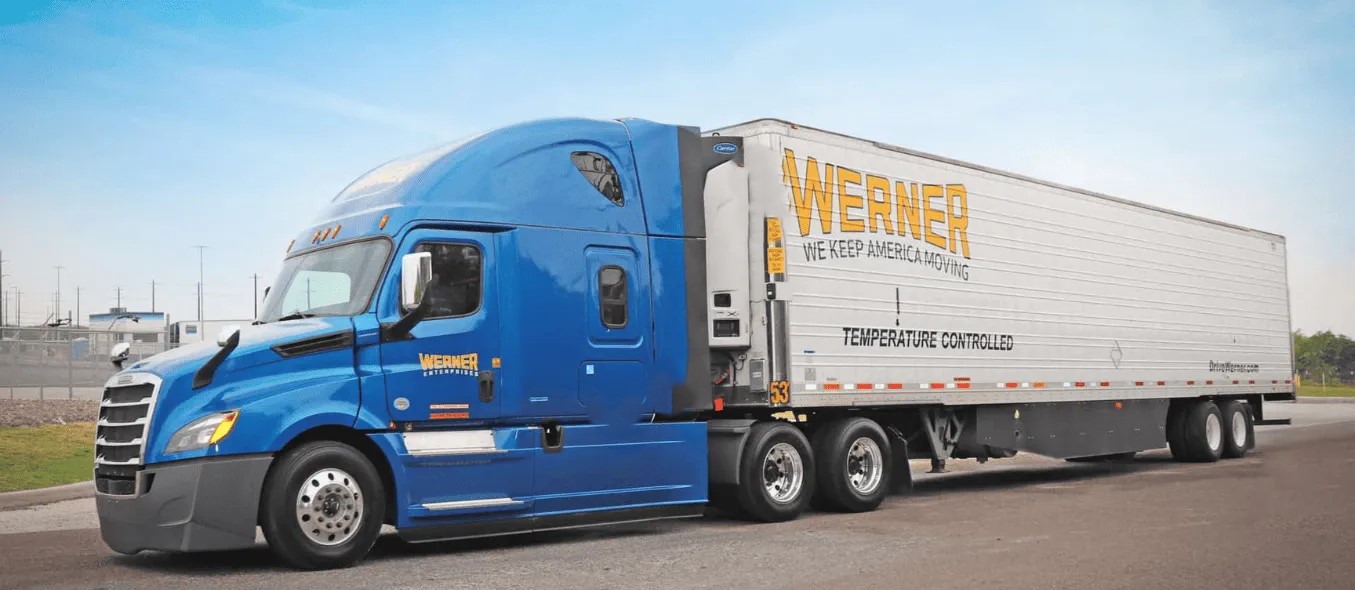
Werner Enterprises has just released its third quarter 2024 financial results, highlighting several significant changes. The company reported a 9% drop in total revenue to $745.7 million compared to Q3 2023. One of the most striking developments was the 9.9% reduction in their average truck fleet, amounting to 812 fewer trucks in service. Operating income also fell sharply by 54%, down to $17.6 million, with operating margins seeing a decline of 220 basis points.

While the logistics and dedicated segments showed some resilience, challenges like decreased fuel surcharge revenues and lower brokerage volumes added pressure. CEO Derek Leathers noted that the company is focusing on operational efficiency and cost-saving measures as part of its response.

What are your thoughts on this significant reduction in Werner\'s fleet size and the overall financial performance?
 

Fuel prices are going to have to start dropping again. You can make as many efficiency improvements as possible but that's still our #1 killer next to salaries. And for me personally, fuel is more than I pay myself.
 
Fuel prices are going to have to start dropping again. You can make as many efficiency improvements as possible but that's still our #1 killer next to salaries. And for me personally, fuel is more than I pay myself.
Funny how things can be viewed differently, based on the operation.

With Werner operating primarily via contract freight, fuel surcharge is one of the key things they focus on in terms of lost revenue. In other words, lower fuel prices have hurt them
 
Funny how things can be viewed differently, based on the operation.

With Werner operating primarily via contract freight, fuel surcharge is one of the key things they focus on in terms of lost revenue. In other words, lower fuel prices have hurt them
I mean yeah that's true. They hurt us too. But if we do have to be at the bottom, the further prices are below the minimum fuel surcharge, the better. The middle of the chart isn't really a good place to be. Often what they're using as the average is less than what we pay.

$5+ a gallon was actually a good thing for us, but they also took away a lot of our accessorials.
 
$5+ a gallon was actually a good thing for us

Was it really?

I mean, I get it. Higher fuel prices translates to higher fuel surcharges, and "temporarily" higher revenue.

Temporarily because eventually it chokes the businesses to buy and sell things (shippers and receivers). The result? lower contract rates overall, which all these big companies are filling now, after those of us in the spot market felt it first. Higher prices for the consumer to cover the increased costs which ultimately lowered demand because people can't afford things now. Again, lower contract rates.

We have quietly dropped down to rates that are lower than what I was getting on the spot market back in 2017. Meanwhile a tire is 50% higher in cost than it was back in 2017, as is a truck, trailer, and anything else you need to operate a trucking business.

The important note being hidden in reports like this from public trucking companies like this is that most of them, if not all of them, are not simply earning less money, they are losing money. If you spoke with any of the folks at the top of these companies and they responded honestly, they would likely be telling you that they are right on the edge of bankruptcy.

Think about it. When these companies put out these earning statements, they are forced to put out factual information, but at the same time, they have to present it in the most positive way possible.

There is nothing positive about a 10% reduction in fleet size for a trucking company.

Then, look at brokers. These folks are reducing their staff is massive numbers. Looking to eliminate as much overhead as possible at this point by going all in on automation. Look at CH Robinson and the article I just posted about them.

They are going all in on automation, and others are trying to do the same. This is being pushed much faster than they wanted to push it because they have no choice due to falling revenues and losing money.

And in every earnings report, they will try to direct your attention to a statement that the future is looking more solid. They do this because they fear people dumping their stock if they don't. But somehow, those positives continue to never show up.
 
Was it really?

I mean, I get it. Higher fuel prices translates to higher fuel surcharges, and "temporarily" higher revenue.
Yes, looking at our weekly settlements, higher fuel prices were better.

I'm not talking about the economy as a whole. That's far more complicated.
 
Funny how things can be viewed differently, based on the operation.

With Werner operating primarily via contract freight, fuel surcharge is one of the key things they focus on in terms of lost revenue. In other words, lower fuel prices have hurt them
What happens when a one man operation like you sends a fuel surcharge bill to a customer or broker?
 
What happens when a one man operation like you sends a fuel surcharge bill to a customer or broker?
Fuel surcharges don’t specifically exist with spot market freight. They have an effect on where the rates are for a market, but not specifically charged.

Whatever rate I agree to for a spot market load is the all in rate I receive. It’s a one time contract for one load.

If I was to set up with a shipper to haul specific loads, it would be a base rate and include a surcharge for fuel. I don’t currently do any of those loads.
 
Fuel surcharges don’t specifically exist with spot market freight. They have an effect on where the rates are for a market, but not specifically charged.

Whatever rate I agree to for a spot market load is the all in rate I receive. It’s a one time contract for one load.

If I was to set up with a shipper to haul specific loads, it would be a base rate and include a surcharge for fuel. I don’t currently do any of those loads.
That was my experience as well. You're basically bidding one load at a time so surcharge becomes irrelevant.

If the rate is adequate, you agree to it. If it isn't, you don't.

The idea behind fuel surcharge is to not get screwed with fuel fluctuations over time when signing a long term dedicated contract. Single bid load boards are usually under a week so the fluctuations in fuel prices generally do not apply.
 

Back
Top