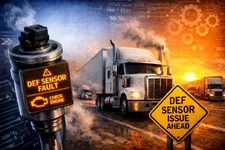
EPA just made a change that could matter a lot more to truckers than most regulatory updates ever do. The agency said DEF quality sensors are no longer required, and manufacturers can use NOx sensors instead to meet the requirement. EPA says the move is meant to cut down on bad fault readings that have been causing unnecessary derates, shutdowns, towing bills, and downtime.
That hits a sore spot in trucking for a reason. DEF systems have been one of the most hated problem areas on newer equipment, especially when the truck gets punished not because the fluid is actually bad, but because a sensor decides something is wrong. EPA said its preliminary review of manufacturer warranty data showed NOx-sensor-based strategies are much less likely to trigger the kind of false readings that have led to so many DEF-related derates.
For drivers and small fleets, that is the part that matters. A sensor problem is not just an inconvenience when it derates the truck, wrecks the schedule, strands a load, or turns a simple run into a shop visit and a tow bill. ATA said bad sensors have been causing unnecessary downtime and supply-chain problems, and EPA is now openly acknowledging that the current setup has been generating too many bad outcomes.
The change does not mean emissions systems are going away. It does mean EPA is giving manufacturers a different path to prove compliance. Instead of relying on DEF quality sensors, the agency says NOx sensors can be used instead. EPA also said approved NOx-sensor-based software updates on existing diesel engines would not count as illegal tampering under the Clean Air Act.
That could become a big deal if manufacturers move quickly. A lot of trucking people are not looking for some grand policy debate here. They just want trucks that do not throw them into limp mode over a bad reading. Industry coverage treated the guidance as a win for reliability, even as questions remain about how OEMs will handle the change and what their replacement strategies will look like in the real world.
There is still a practical limit to how excited fleets should get right away. This guidance does not instantly fix every truck already out on the road, and it does not mean every OEM will handle the shift the same way. Manufacturers still have to decide how they will apply the change, what software or hardware updates make sense, and how fast any of that gets into trucks that are already working.
Still, this is one of the more important truck-equipment stories of the week because it touches a real-world pain point that drivers have been living with for years. When a truck derates over a sensor issue, nobody cares how good the paperwork looked in Washington. They care that the truck is down, the load is late, and the bill keeps growing. EPA’s move suggests the agency finally recognizes that the old approach was causing too many problems for the people actually running the equipment.
For Freight Relocators readers, the takeaway is simple. This is a reliability story first. If manufacturers follow through and the new approach cuts false derates, this could save drivers and fleets a lot of grief. It will not solve every emissions-related headache in trucking, but it could remove one of the most frustrating ones.
That hits a sore spot in trucking for a reason. DEF systems have been one of the most hated problem areas on newer equipment, especially when the truck gets punished not because the fluid is actually bad, but because a sensor decides something is wrong. EPA said its preliminary review of manufacturer warranty data showed NOx-sensor-based strategies are much less likely to trigger the kind of false readings that have led to so many DEF-related derates.
For drivers and small fleets, that is the part that matters. A sensor problem is not just an inconvenience when it derates the truck, wrecks the schedule, strands a load, or turns a simple run into a shop visit and a tow bill. ATA said bad sensors have been causing unnecessary downtime and supply-chain problems, and EPA is now openly acknowledging that the current setup has been generating too many bad outcomes.
The change does not mean emissions systems are going away. It does mean EPA is giving manufacturers a different path to prove compliance. Instead of relying on DEF quality sensors, the agency says NOx sensors can be used instead. EPA also said approved NOx-sensor-based software updates on existing diesel engines would not count as illegal tampering under the Clean Air Act.
That could become a big deal if manufacturers move quickly. A lot of trucking people are not looking for some grand policy debate here. They just want trucks that do not throw them into limp mode over a bad reading. Industry coverage treated the guidance as a win for reliability, even as questions remain about how OEMs will handle the change and what their replacement strategies will look like in the real world.
There is still a practical limit to how excited fleets should get right away. This guidance does not instantly fix every truck already out on the road, and it does not mean every OEM will handle the shift the same way. Manufacturers still have to decide how they will apply the change, what software or hardware updates make sense, and how fast any of that gets into trucks that are already working.
Still, this is one of the more important truck-equipment stories of the week because it touches a real-world pain point that drivers have been living with for years. When a truck derates over a sensor issue, nobody cares how good the paperwork looked in Washington. They care that the truck is down, the load is late, and the bill keeps growing. EPA’s move suggests the agency finally recognizes that the old approach was causing too many problems for the people actually running the equipment.
For Freight Relocators readers, the takeaway is simple. This is a reliability story first. If manufacturers follow through and the new approach cuts false derates, this could save drivers and fleets a lot of grief. It will not solve every emissions-related headache in trucking, but it could remove one of the most frustrating ones.